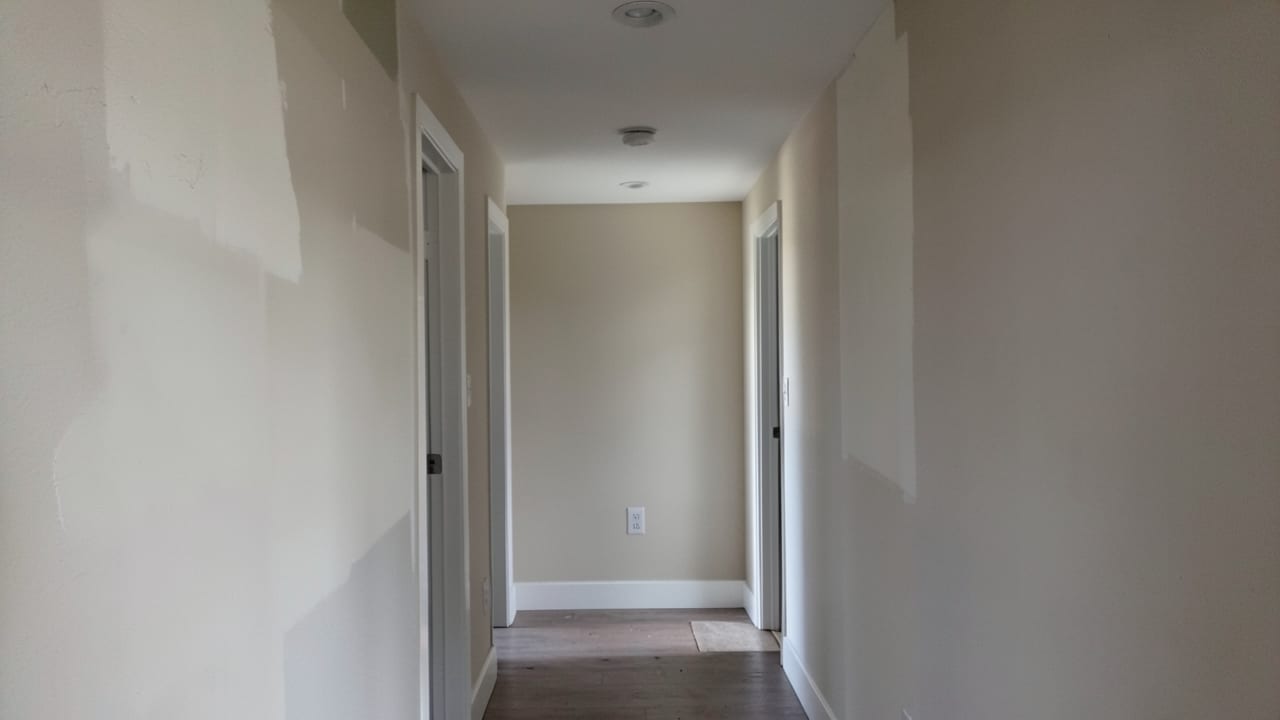
Drywall Mold Remediation
Professional removal and treatment of mold growth behind or on drywall surfaces.
Drywall mold remediation in North Beach, MD, involves safely removing and replacing contaminated drywall to eliminate mold growth. The process includes containment, HEPA filtration, and moisture control to prevent spores from spreading or returning.
Proper remediation targets both visible mold and hidden moisture sources to help prevent future issues in your home.
We also handle Garage Mold Removal and Laundry Room Mold Cleanup for North Beach properties.
When drywall mold remediation is needed
Mold on drywall often signals a deeper issue that requires professional attention. Visible signs include discoloration, peeling paint, or a musty odor, but hidden growth—behind walls, under flooring, or inside ducts—may not be immediately obvious.
If mold covers more than a small, isolated patch (typically over 25 square feet), persists after cleaning, or recurs in the same spot, it’s a sign the moisture source hasn’t been addressed.
Stagnant air in enclosed spaces like closets or windowless bathrooms can also contribute to mold growth. A noticeable musty smell that worsens when the HVAC runs may indicate mold in ductwork, spreading spores throughout your home.
These signs suggest the problem is beyond surface-level cleaning and requires professional remediation to prevent further damage.
Signs You May Need Drywall Mold Remediation
- Mold covers more than a small, isolated patch (typically over 25 square feet of contiguous drywall).
- Mold keeps returning to the same spot after cleaning, indicating an unresolved moisture issue.
- Musty odor is present with no visible mold, suggesting hidden growth behind walls or under flooring.
- Mold growth is accompanied by peeling paint, warping, or bubbling on drywall surfaces.
- A musty smell intensifies when the HVAC system is running, pointing to mold in ductwork.
What affects pricing and timing
The cost of drywall mold remediation varies based on the size of the affected area, the extent of contamination, and whether hidden mold or moisture issues are involved.
Surface-level mold on drywall typically costs between $540 and $2,150 per affected room, but black mold cases or extensive hidden growth can increase costs by 15-25%. Pricing also depends on whether containment, HEPA filtration, and clearance testing are included in the quote.
Timing depends on drying requirements, containment setup, and the need for structural repairs. Industrial dehumidifiers and air movers are used to bring moisture levels down before re-sealing the area, which can take several days.
Clearance testing, conducted by an independent third party, ensures spore counts return to normal before the job is considered complete.
What to expect after remediation
After remediation, the focus shifts to preventing mold from returning. Fixing the moisture source—whether a leak, condensation issue, or poor ventilation—is critical. Rooms prone to dampness, like closets or windowless bathrooms, may benefit from a small fan or dehumidifier to maintain airflow.
Outside the home, grading issues or downspouts directing water toward the foundation can reintroduce moisture if not corrected.
Periodic humidity checks in the previously affected room during the first year can help catch early signs of recurrence. If mold reappears, it often indicates the moisture source wasn’t fully addressed during the initial remediation. Clearance testing confirms spore levels are back to normal, but ongoing monitoring ensures long-term results.
Maintain proper ventilation in damp-prone areas like bathrooms and basements. Use dehumidifiers or fans to reduce humidity, and address outdoor moisture issues such as grading or downspout placement to keep water away from your home’s foundation.
How drywall mold remediation works
Remediation begins with containment to prevent spores from spreading.
- 1Containment Setup
Plastic sheeting and negative-air machines seal off the work area, creating a controlled environment where disturbed spores stay contained rather than spreading through the home.
- 2Removal of Contaminated Materials
Porous materials like drywall and insulation, which absorb mold, are cut out and bagged inside containment. Non-porous surfaces like framing and tile are cleaned and treated instead of discarded.
- 3HEPA Filtration and Cleanup
HEPA-filtered air scrubbers and vacuums run continuously to capture airborne spores. Standard shop vacuums or non-HEPA filters recirculate spores, so specialized equipment is essential for effective cleanup.
- 4Structural Drying
Industrial dehumidifiers and air movers dry framing and subfloors to normal moisture levels before re-sealing the area, as mold regrows on damp surfaces even after visible traces are removed.
- 5Clearance Testing
An independent third-party test confirms spore counts are back to normal before containment is removed. This step ensures the remediation was effective and the area is safe to reoccupy.
Frequently asked questions
How do I know if my drywall mold issue requires professional remediation instead of DIY cleaning?
If mold covers more than 25 square feet of contiguous drywall, keeps returning after cleaning, or you notice a musty odor with no visible growth, professional remediation is typically recommended. Hidden mold in walls or ductwork also requires expert attention to prevent further spread.
Will my insurance cover drywall mold remediation?
Coverage depends on your policy and the cause of the mold. Insurance may cover remediation if the mold resulted from a covered event like a water leak, but pre-existing mold or poor maintenance issues are often excluded. Review your policy or consult your insurer directly for clarification.
How long does the drying process take after mold removal?
Drying time varies based on humidity levels, the size of the affected area, and the efficiency of dehumidifiers and air movers. It can take several days to bring moisture levels down to normal before the space is sealed and clearance testing is conducted.
What should I do to prevent mold from coming back after remediation?
Fix the moisture source—such as leaks, condensation, or poor ventilation—and maintain proper airflow in damp-prone areas. Use dehumidifiers or fans, and address outdoor grading or downspout issues to keep water away from your home’s foundation.
Where North Beach sits, and what the Census lists nearby
North Beach sits in Maryland, and the closest places listed in the U.S. Census Gazetteer are Chesapeake Beach (1.7 miles southwest), Friendship (3.5 miles northwest), Owings (3.7 miles west), Deale (5.4 miles north). Within 25 miles of North Beach the same source lists 94 distinct incorporated places and census-designated places.
Those figures matter for drywall mold remediation because they are straight-line distances between Census coordinate points: road mileage between North Beach and Chesapeake Beach runs longer than the 1.7 miles shown, which is why quotes for the same job differ between towns that look close together on a map.
Source: U.S. Census Bureau Gazetteer.
See Highland Beach, MD for more, or explore what we cover for North Beach properties by service type for our complete lineup.
Ready to get started?
Talk to a local mold remediation pro in North Beach — get a written quote.
Other Mold Remediation Services in North Beach
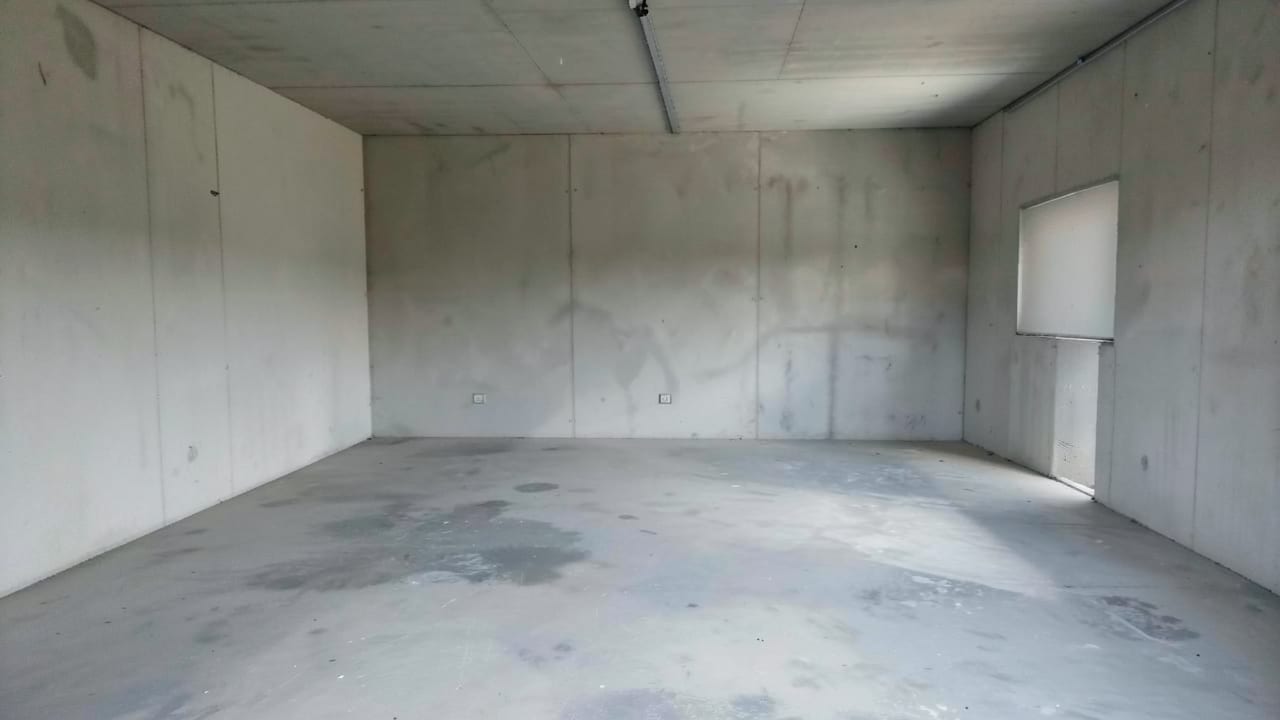
Garage Mold Removal in North Beach, MD
Professional assessment and removal of mold growth in garages to restore a safe, clean space.
Learn More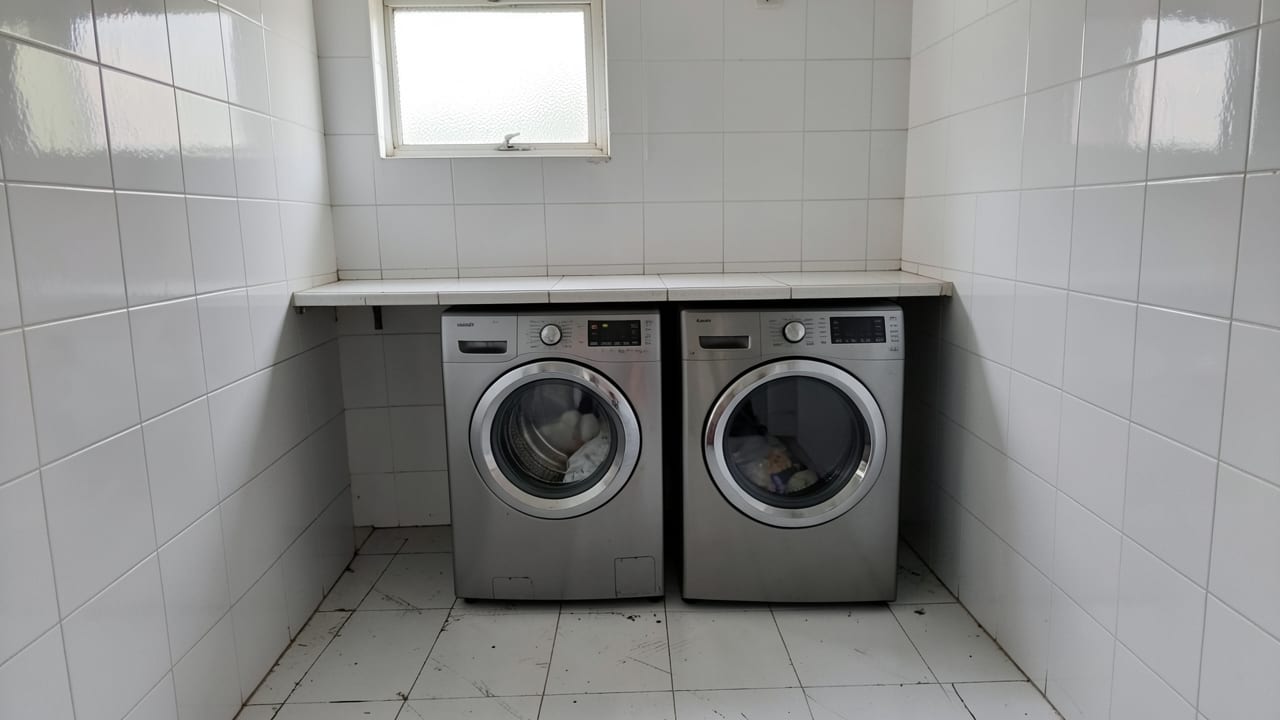
Laundry Room Mold Cleanup in North Beach, MD
Professional mold removal and remediation in laundry rooms to restore a safe, clean space.
Learn More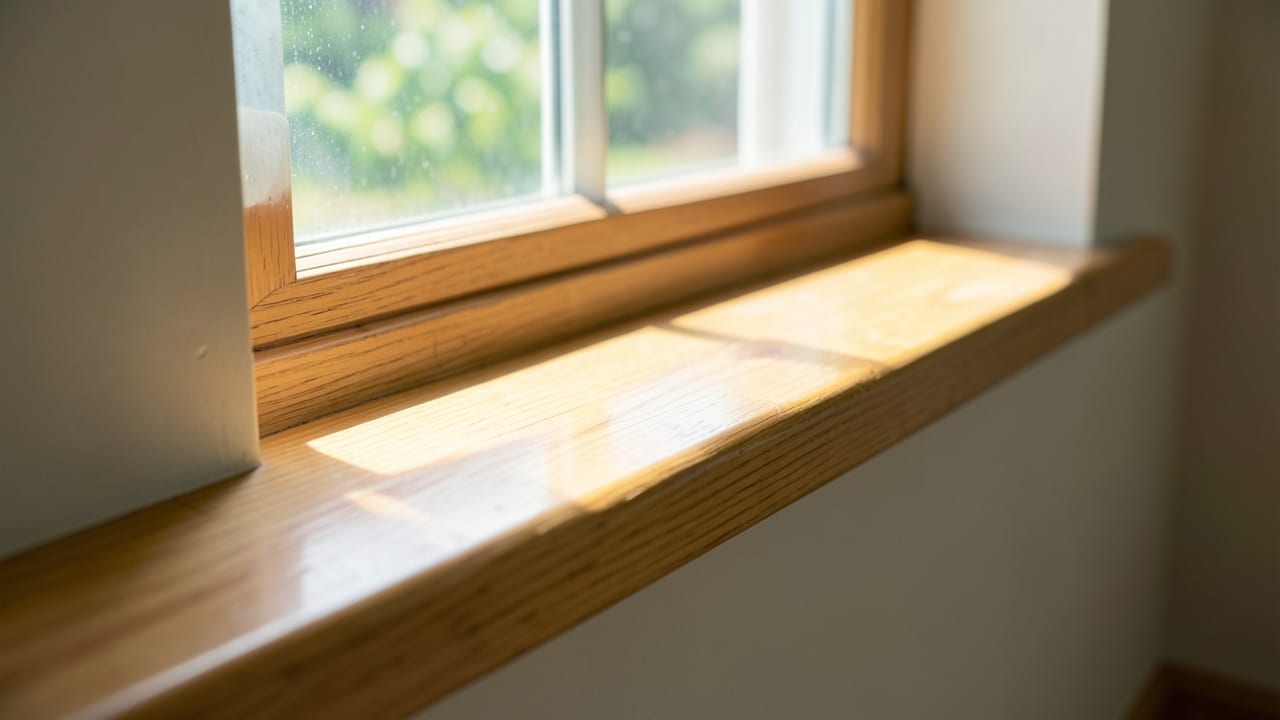
Window Sill Mold Cleanup in North Beach, MD
Professional cleanup of mold growth on window sills to restore a healthy indoor environment.
Learn More
Flood Damage Mold Remediation in North Beach, MD
Professional mold removal and remediation after flood damage in homes.
Learn More
Sewer Backup Mold Cleanup in North Beach, MD
Professional cleanup of mold caused by sewer backups in homes.
Learn More
Rental Property Mold Cleanup in North Beach, MD
Professional mold removal and remediation for rental properties to restore safe living conditions.
Learn MoreCommon Questions About Mold Remediation in North Beach
Everything you need to know about mold remediation services in North Beach
How much does Drywall Mold Remediation typically cost in North Beach, MD?
Why does North Beach, MD's humidity make mold a bigger risk than in drier regions?
Is it safe to stay in the home during mold remediation?
Can small mold problems be handled without hiring anyone?
What's the actual difference between mold removal and mold remediation?
Is a final clearance test part of a typical mold remediation job?
Need Mold Remediation in North Beach?
Connect with local providers in North Beach for a detailed quote.
⏰ We answer your call • Serving all of North Beach and surrounding areas